
Acid Reflux, Why diagnosis gets complicated
What is acid reflux?
Acid reflux is when the lower oesophageal sphincter fails to keep stomach acid where it belongs, and acid, bile and undigested food travels back up the oesophagus and causes inflammation, irritation and damage to oesophagus. It is usually caused by over or under production of stomach acid but understanding the cause can be complicated.
Symptoms

· Loud Gurgling tummy
· Loss of appetite
· Regurgitation of food
· Undigested food in stools
· Abdominal pain
· Bloating
· Excessive flatulence and burping
· Bad breath
· Lip licking
· Pacing due to discomfort
What causes Acid Reflux?
Incorrect Stomach acid levels - Too high or too low – Stomach acid helps to break down proteins, activate digestive enzymes, sterilise incoming food, signal pancreatic enzyme release, trigger gastric emptying. If stomach acid is too high the excess stomach acid is left in an empty stomach causing irritation, nausea and acid reflux. If stomach acid is too low, you will see poor digestion, gas, fermentation, bloating and undigested food, as there is not enough stomach acid to properly digest food, breakdown particles and kill bacteria. However, while this pattern is often observed, it is not a diagnostic on its own, as symptoms often overlap, and treatments will differ. Vets will use an endoscopy to determine whether stomach acid is too high or too low. Or you may be asked to complete a food trial, which will either reduce symptoms or intensify symptoms, which might help determine what level the stomach acid is at. Alternatively, the vets might recommend using an antacid for a short period of time to see if symptoms resolve. This can then be changed to a more natural approach. The reason the stomach acid might be at too high or too low levels could be a result of many things such as, stress, fatty foods, excess weight, sudden dietary change, eaten something they shouldn’t, long periods between meals, gut dysbiosis, Gastritis, medications, age, pancreatic or digestive enzyme problems, food intolerance. These are covered below, but some of the reasons mentioned don’t necessarily mean a dog has unhealthy stomach acid levels, they might have healthy levels of acid but have issues elsewhere which can result in acid reflux. This is what makes this diagnosis so complicated, as symptoms overlap.
Stress – the Vagus nerve stimulates stomach acid production, if the dog is stressed, vagal stimulation is increased (stressful environments might look different for each dog but consider, anxiety, being exposed to known triggers of fear, being highly aroused for extended periods of time, a stressful environment, such as lots of people, lots of noise, lots of unwanted attention, left alone too long)
Diet – highly processed food directly impairs the digestive system, it will trigger relaxation of the sphincter muscle and delay stomach emptying, this combined with high levels of unhealthy fat and preservatives creates an ideal environment for stomach acid to rise into the oesophagus.
High fat foods and spicy foods can often lead to acid reflux.
Structural issues such as hiatal hernia, a loose dysfunctional lower oesophagus sphincter, megaoesophagus.
Breed disposition – brachycephalic breeds (pugs, French bulldogs, Boston terriers, English bulldogs, shih tzu)
Food intolerance – when the body struggles to digest certain foods, it leads to fermentation, increased gas and abdominal pressure, forcing stomach acid up into the oesophagus. Removing the trigger food is helpful, but the gut will need time and help to heal.
Gut dysbiosis – including SIBO, yeast bacteria overgrowth, parasites – If undigested food is floating about then bad bacteria will feed of this and overpopulate. An unbalanced microbiome can alter digestive hormone signalling and promote inflammation and worsen acid reflux. Gut dysbiosis can increase the chances of food intolerance, which in turn leads to acid reflux. Gut dysbiosis can also lead to leaky gut.
Age – It is understood older dogs have less stomach acid, so may suffer from low acid levels.
Weight –excessive weight can increase abdominal pressure and cause acid reflux.
Long term use of Acid suppressing drugs – these reduce acid production, but if your dog has low gastric acid then they are causing more problems.
Nutritional deficiencies – particularly Zinc and B vits, low iron can be prevalent in dogs with low acid.
EPI – exocrine pancreatic insufficiency – this is where the pancreas doesn’t create another juice to neutralise the acidity in the stomach, meaning food gets left undigested, nutrients cannot be absorbed and bacteria can over grow. Markers in blood tests to look for are low B12, as the dog will not be able to absorb this nutrient.
Liver disease, pancreatitis or IBD – Digestive involves the liver, pancreas and gall balder, so if there is an issue with these organs it will affect the operation of the digestive system.
Gastritis/IBD – Gastritis is inflammation of the gastrointestinal lining (the gastric mucosa). The gastric mucosa is a thick membrane layer that protects the stomach lining from the stomach acids. If the stomach acids can get through the damaged mucosal layer and reach the gastrointestinal lining, your dog may show clinical signs, including abdominal pain, decreased appetite, vomiting or diarrhoea. Caused by Dietary indiscretion, food allergies, ingestion of irritants, infections, stress, kidney disease, liver problems, worms, toxins. This can result in Acid reflux.
Small intestinal motility disorders are conditions that affect the muscle contractions in the small intestine, leading to symptoms like bloating, abdominal pain, and digestive issues.
Sudden dietary changes – Some dogs might be extra sensitivity to dietary changes and need a slowly transitional period. Transitioning too fast can sometimes lead to acid reflux.
Foreign bodies
Anesthesia – slows down the body processes, which is why dogs should not eat near times of anesthesia.

What diet works best?
It depends on what Is causing the acid reflux in the first place. But there are some common ways to address acid reflux via dietary changes, these don’t necessarily have to be permanent changes, but they should help alleviate symptoms for some of the causes mentioned above :
For dogs with high stomach acid (typical symptoms might include discomfort before eating), smaller more frequent meals can help as this means the stomach is getting topped up and not being left with excess stomach acid for too long. Including easily digestible carbs, soluble fibre and easily digestible proteins, as it is important to help the food stay in the stomach for longer, we can include a small amount of insoluble fibre such as broccoli, mushrooms, red pepper or celery but limit leafy greens. Its a balancing act, as we dont want to make the food too starch heavy. Keep fat content below 10%. Even healthy fats can cause disruption, such as lamb, beef, organ meat, salmon and oils. Provide a small bedtime snack to tide them over into morning such as spoonful of cooked oats with mashed banana (banana is a natural antacid), a piece of boiled chicken with bone broth. Gut healing supplement can help.
For dogs with low stomach acid (typically symptoms might include discomfort after eating) smaller more frequent meals can also be beneficial, the aim here is to not feed large meals as the stomach acid cannot cope with a lot of food, but by feeding easily digestible food, with just the right amount of insoluble fibre, means the the food can move through this system easily and not sit in the stomach for too long. A dog with low stomach acid can also tolerate more leafy greens than a dog with high acid. They will not necessarily benefit for a late-night snack. The inclusion of gut healing supplement will be very beneficial. Keep fat content below 10%.
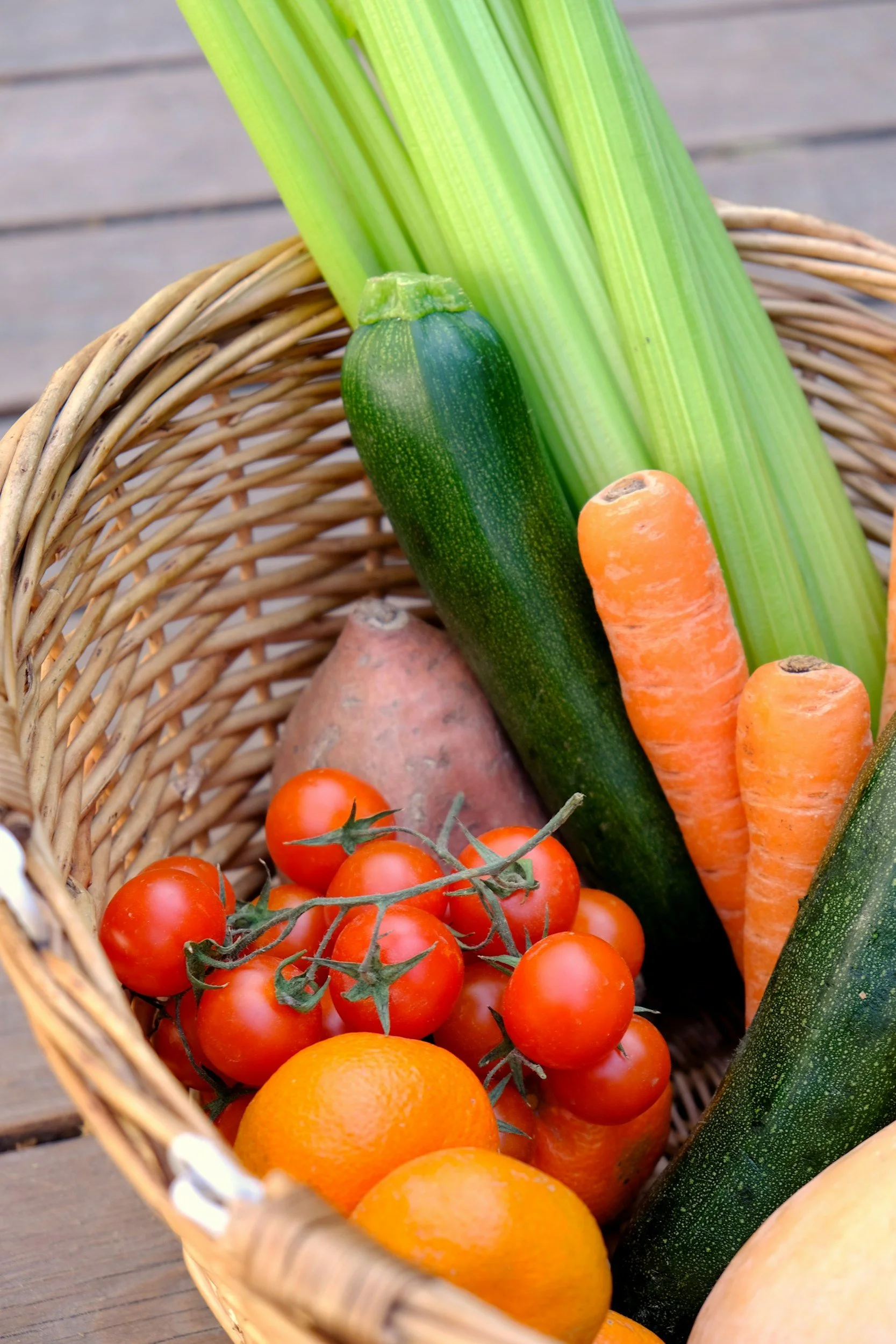
Easily digestible proteins: – Turkey, Chicken, whitefish, Eggs
Easily digestible carbs: – White rice, oats, sweet potato mashed, white potato mashed, butternut squash mashed.
Soluble fibre: - pumpkin, butternut squash, oats, barely, cooked carrots, banana, melon, parsnips, chia seeds, blueberries, psyllium
Insoluble fibre: – whole grains, cereals, leafy greens, cabbage, cauliflower, green beans, quinoa, some seeds, fruit with edible skins, celery.
Foods that contain both soluble and insoluble fibre: Leafy greens, carrots, berries, oats and barley, chia seeds and flaxseed, pumpkin and butternut squash, Red Peppers, Mushrooms.
Avoid high fatty foods (even if they are healthy for now) – salmon, mackerel, beef, lamb, oils.
Avoid: Highly fermentable carbs such as dairy and legumes as these foods can increase gas production in the small intestine. (loud gurling noises are coming from the small intestine, so if this is a symptom, then we know the small intestines are affected)
Include a gut healing supplement that contains slippery elm, marshmallow root, deglycerized liquorice, L – Glutamine. These are natural herbs that can nourish gut bacteria, support gut immunity, reduce gas and sooth tummies.
Include bone broth – this will sooth digestive tract, boost immunity, detoxifies the liver, aids in the recovery of gut permeability.
Pumpkin is gentle and has both insoluble and soluble fibre so it a good option to include for both dogs with too high and too low gastric acid. Pumpkin can stabilise gut motility overnight.
Include some prebiotics and probitoics– it is most likely that gut microbiome Is out of balance and prebiotics can help re-balance this. Discuss with your vet which type is best based on your dogs symptoms, some prebiotics may increase fermentation and issues such as SIBO will benefit more from soil based probiotics.
How is the cause diagnosed?
If there is a suspected food intolerance, you need to follow the diet mentioned above and incorporate an elimination diet. Allow 4-8 weeks, as it will take 1-2 weeks at least to see improvement and then a further 4-6 to heal.
If there is suspected Gut Dybisois, then a microbiome test can determine where the imbalances sits and can help you address this.
Blood tests can rule out EPI and SIBO and B12 Def, IBD and Pancreatitis, small intestine motility disorder.
Urine screening can look at liver disease, small intestine motility disorder
Ultrasounds and Xray’s can look at structural issues such as hiatal hernia, IBD, foreign object
Following the diet above will help your dog lose some weight if this is required.
Its fair to say acid reflux is not the easiest symptom to really get to the bottom, treating symptoms might be achievable but it important to find the root cause and driver of any inflammation. There are many different causes, and may overlapping causes and symptoms. But by adjusting the diet and working with your vet, you can really try and understand the cause and treat the root cause, not just the symptoms.