The use of supplements
Have you ever wondered if all these magical lotions and potions are actually doing your dog any good. I am guilty of excessively buying supplements for my dog because I read that it is good for him, and I just wanted to do everything I could to ensure he was healthy, but after a while that might look like you have thrown the kitchen sink at them.
We need to take a step back and assess what OUR dog needs as an individual, we need to select supplements to target specific areas or fill nutritional gaps.
Ideally there will be no nutritional gaps. When feeding a fresh whole foods diet, you are able to achieve optimal health. But having said that, there is room for some supplementation for specific requirements, and genetics play a role in the development of some conditions too, so although certain ailments can be avoidable through good diet, others cannot, and then supporting your dog correctly is essential.
Supplements could include things, like, antioxidants, pre and probiotics, digestive enzymes, herbs, vitamins, minerals and amino acids.

The most common reasons people add supplements are:
Skin issues
Old age and joint problems
Chronic illnesses
Digestive upset
Dogs on poor quality diets looking to full nutritional deficiency.
And these all have a valid reason to add in some additional support for your pupper.
For example, you may decide to add a joint supplement to support your senior dog. You might choose to add some additional omega 3 to help a dog with dry skin, or use a blend of gut soothing herbs for dogs that need some digestive support. There are plenty of valid reasons to include supplements in your dogs diet, but it really need to be on an individual basis.
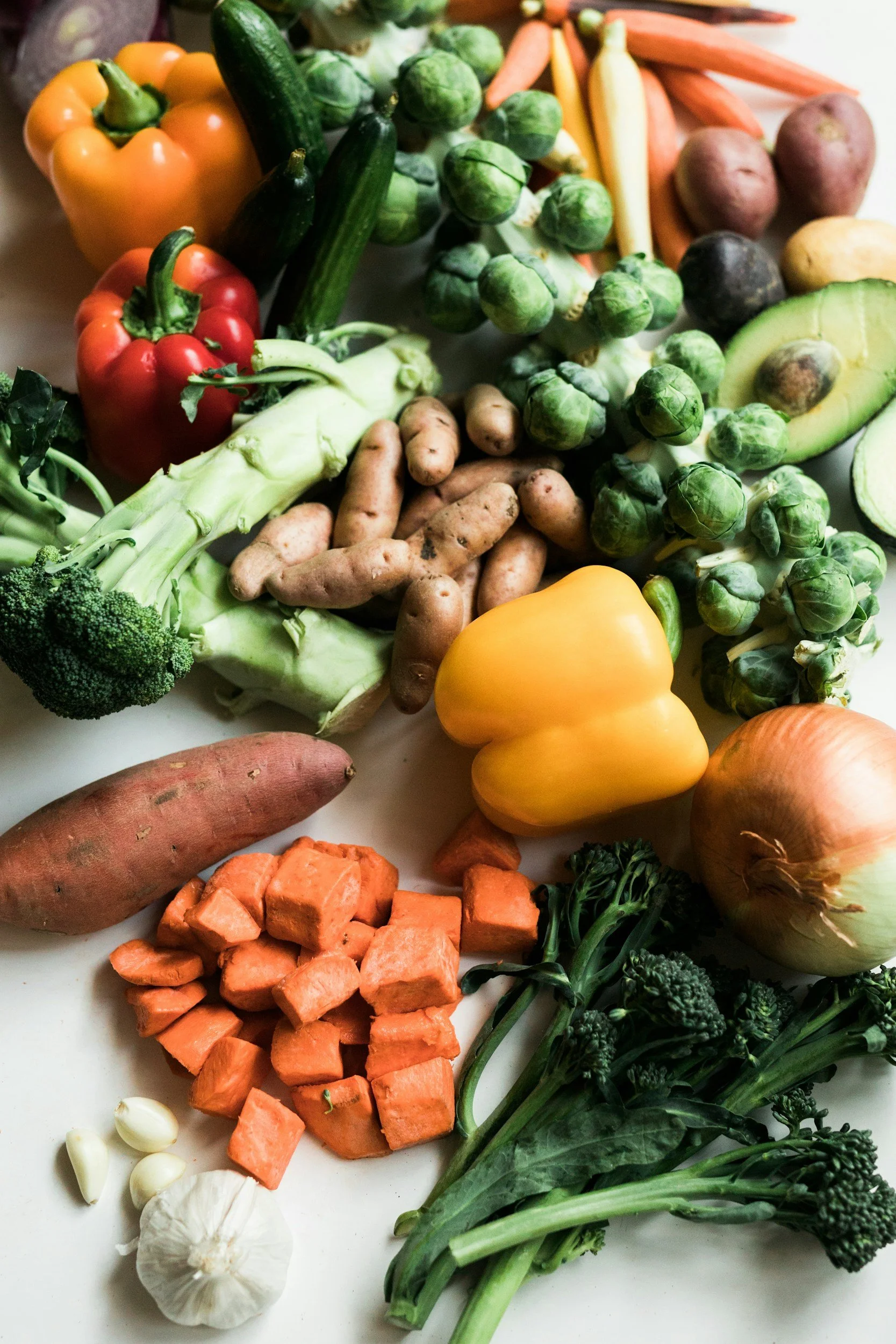
Before purchasing any supplements it is worth considering whether this ailment you are trying to address, or nutritional gap you are trying to fill could be achieved by adding in certain whole foods. Whole food will be more bio-available, meaning the dogs body will recognize these better than synthetic supplements and be able to utilize the ingredient being added and you will see better results. But there are some exceptions. Take omega 3 for example, most commercial dry dog foods are completely deficient in omega 3 meaning the omega 3/6 ratio is out of balance, so adding an omega 3 supplement is beneficial, however to achieve the level or omega 3 in fresh fish would probably mean adding in too much fish and and not enough of the current commercial dry food, so here a supplement such as fish oil or algae oil is a really good choice to balance the omega 3 and omega 6 using supplementation.
Another good example of targeted supplementation would be the use of boswellia, this is a herb that is great for the use of recovery from injury or surgery, as it acts to heal and provide pain relief, but using this full time would be unnecessary. Moving to a product such as green lipped muscle would be a better choice for everyday support.
Pre and pro-biotics need a blog post all to themselves, but its worth noting pre-biotics feed the probiotics, with out the pre-biotics there is little point adding the pro-biotics. Pre and pro-biotics are commonly used to support the immune system and rebuild the gut microbiome after the use of antibotics. But using the same pro-biotic everyday is probably just going to cause the microbiome to over populate with certain bacteria and quite possibly cause an imbalance in the gut.
So the point here is to really investigate what you are adding, why you are adding it and is it beneficial to your dog.
The saying goes, you cant out supplement a bad diet, this means if you continue to use a highly processed diet and chuck in a load of supplements then you are mostly throwing your money down the toilet. In order to help your dog, you need to feed a fresh diet or if you are feeding commercial dog food then try adding in some fresh food, with targeted good quality supplements.
So my final thoughts are, supplements are great if your dog really needs them. If you are unable to feed a fresh food diet, then adding some targeted supplementation will be beneficial. If you have a specific requirements and you are already feeding a fresh food diet and your dog still requires some additional support, then think carefully about what supplement is going to be best, and remember if you are feeding a good diet and your dog is healthy, then there is no need to add supplementation, they have their place and we need to remember that.