
Leaky Gut
What is Leaky Gut?
A healthy gut wall consists of a defensive barrier of cells called enterocytes which are joined together by tight junctions, the cells are covered in tall villi’s, which increase the surface area, which help for greater absorption of nutrients.
An unhealthy gut wall consists of inflamed cells, gaps between the junctions, short villi’s which decrease absorption, and an overall weakened barrier defence system.
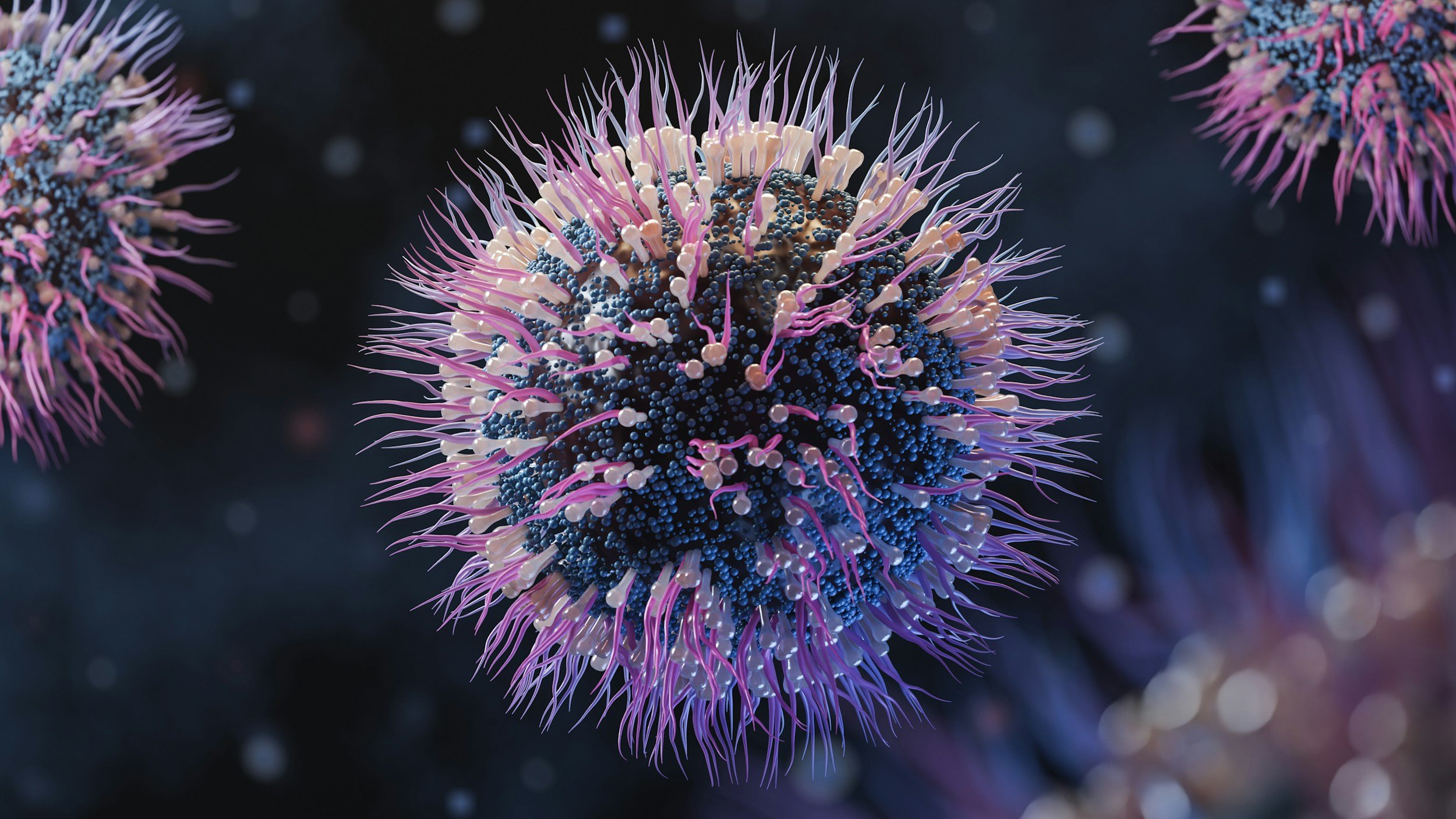
Leaky gut is a term used to describe a unhealthy, permeable gut wall, causing undigested food, toxins and pathogens to enter the bloodstream and reach other parts of the body. It has been proven that leaky gut can directly impact brain function, skin health, energy levels, kidney, liver, pancreas and heart function.
So not only will you see the effects of toxins reaching other parts of the body and causing inflammation, but you will also see an inability to absorb nutrients which will compromise your dog’s immune system, meaning your dog will be more susceptible to disease and have less ability to fight off disease and recover.
What Causes Leaky Gut?
It is thought that the cause of leaky gut can be related to the dysbiosis of the gut microbiome. The gut microbiome is the community of bacteria living in your gut. Dysbiosis refers to an imbalance of these bacteria, either too many bad bacteria and/or too few good bacteria. If the gut bacteria are out of balance, the environment of the GI tract becomes unstable, altering the process of digestion, as mentioned above, leaking unwanted particles into the blood stream.
An unbalanced gut microbiome has been associated with behaviour problems, nutritional deficiencies, immune disorders, liver and pancreas disorders, seizures, cystitis, joint pain, allergies, heart disease, bad breath, and inflammatory bowel disease.
So, it’s clear how important maintaining a healthy gut really is, but what causes the dysbiosis?
Some of the common causes of dysbiosis include:
1. Too few good gut bacteria or an overgrowth of bad gut bacteria (Dysbiosis as mentioned above).
2. Unidentified food intolerance.
3. Long-term medication with antibiotics, NSAID’s or over-vaccination will cause a reduction in good bacteria.
4. Toxins - some bacteria produce secondary metabolites that are toxic helping to degrade the tight junctions of the gut wall.
5. Highly processed food, the good gut bacteria need food with whole fiber content, too much processed food often provides high levels of carbohydrates that promote the growth of bacteria linked to inflammation.
6. Genetic predisposition or breed predisposition.
7. As a puppy unable to obtain correct nutrition from mum.
8. Stress.
9. Infection.
Symptoms of Leaky Gut
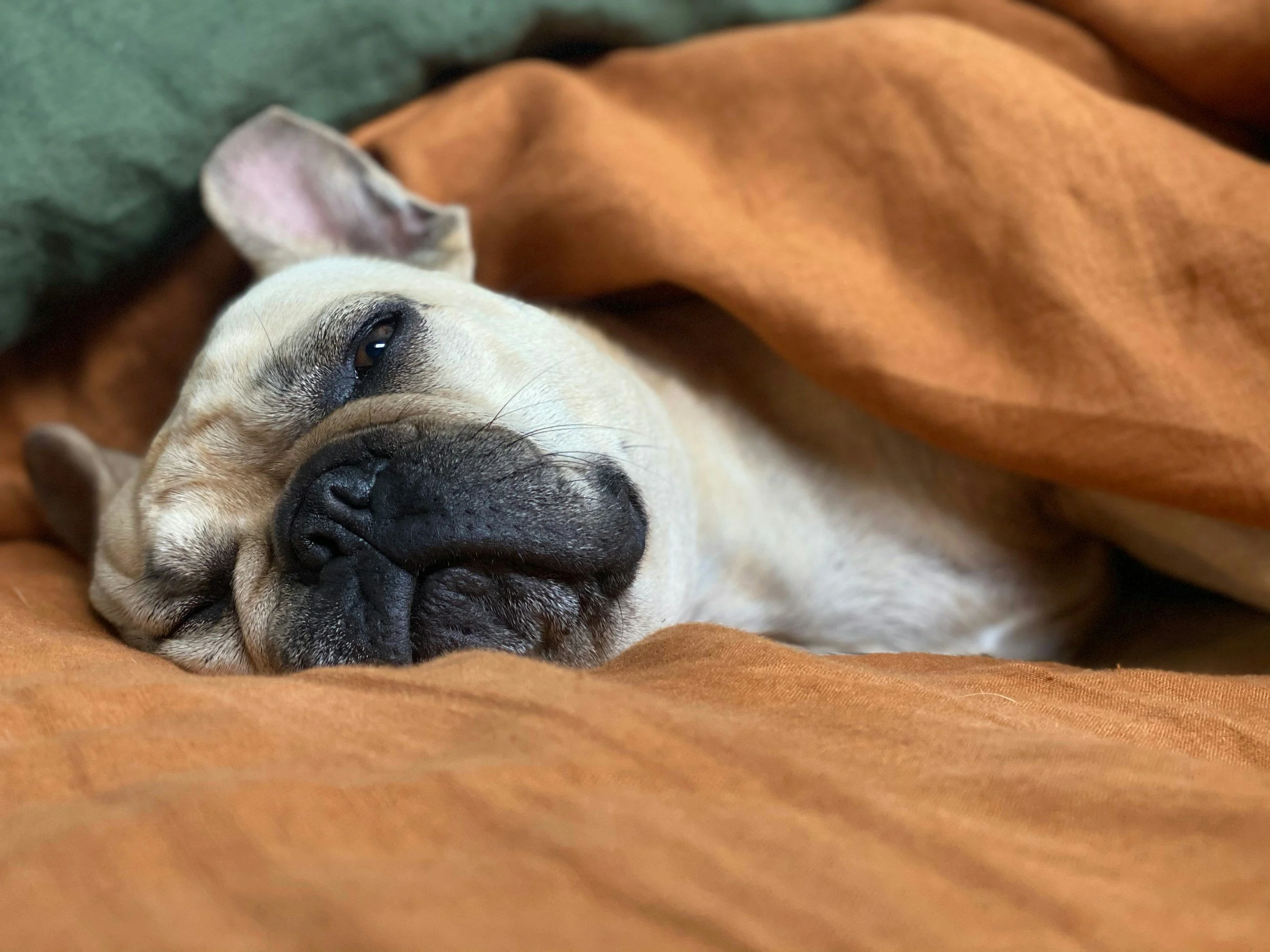
You might find symptoms come and go, flare up suddenly or gradually creep up on you. It is important to understand that symptoms don’t present themselves straight away, this could all be happening in your dog’s body long before you start to see any symptoms, which is why it’s important to not just wait to see symptoms, you can make changes to their diet and lifestyle now to prevent leaky gut.
Symptoms typically include:
· Reoccurring skins issues
· Reoccurring gastrointestinal upset
· Fatigue
· Behavioural changes
· Joint issues
· Vomiting and diarrhoea
· Reoccurring Anal gland issues
How to treat Leaky Gut
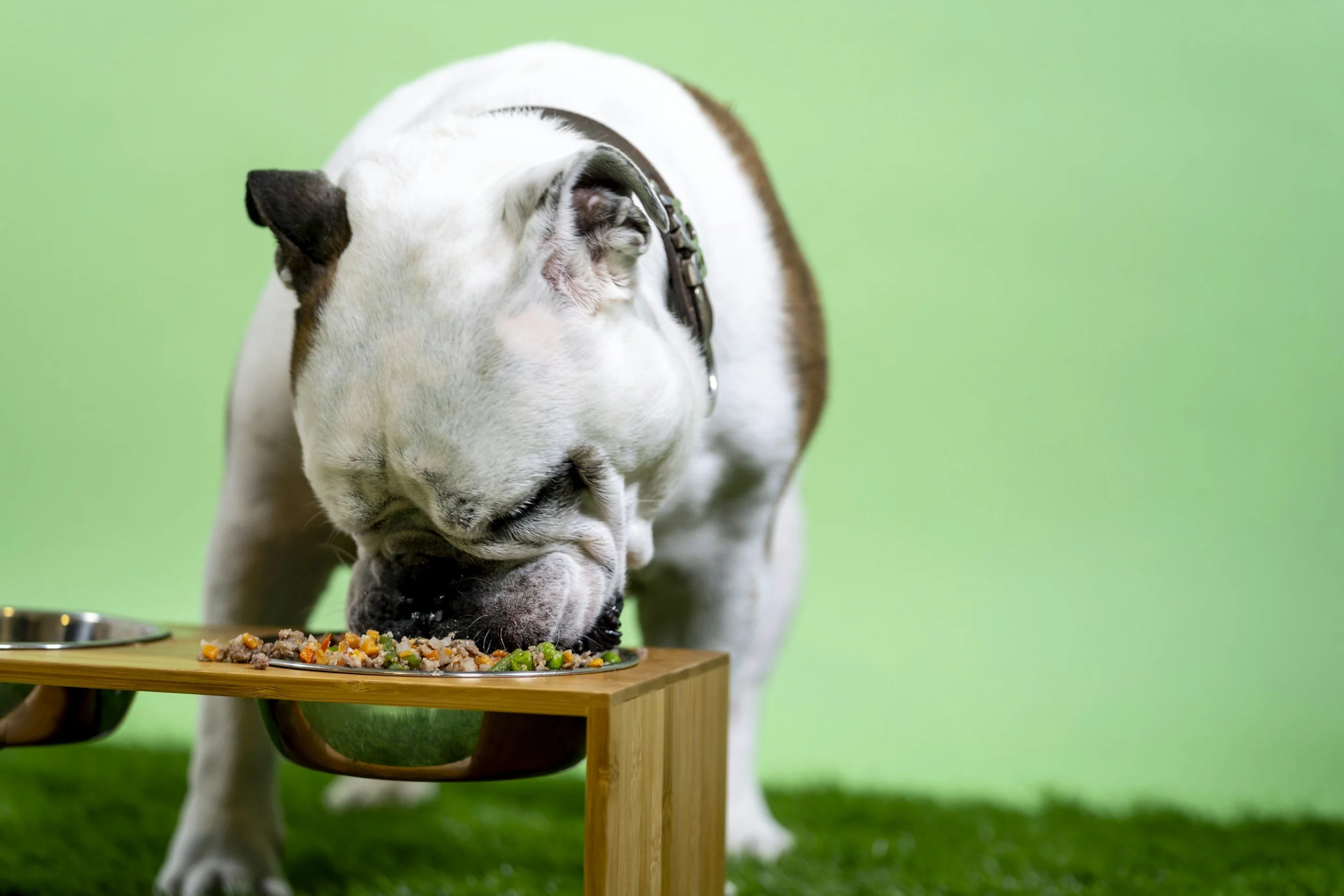
1. Feed a fresh whole food diet, which is balanced with the correct nutrients.
2. Avoid grains. Which means no fillers such a corn, wheat, rice.
3. Keep diet minimally processed from kibble to treats, all foods consumed needs to be considered. Sadly, commercial dog foods will contain preservatives and additives which can cause leaky gut.
4. Undertake an elimination diet if you think food intolerances are playing a part.
5. Add in some gut soothing supplements to help heal the gut wall. BUT remember, you cannot out supplement a bad diet. Adding supplements alone will do nothing.
Other things to avoid
Toxins – pesticides, plastic chemicals from unfiltered water household cleaners, scented candles, plug in etc.
Drugs – where possible remove painkillers, NSAIDS, antibiotics, de-wormers, preventatives.
Pathogens – ask your vet to run tests to ensure no bacteria, yeast, parasites of viruses