Understanding the Microbiome
What is the gut Microbiome?
Dogs (and humans) have a gut microbiome, which refers to the community of microbes that live in your dog’s gut. These includes bacteria, fungi, archaea and viruses. There are trillions of these little microorganisms living in your dog’s gut and they all play a role in your dog’s health. Some play a more important role!
The gut microbiome should be balanced, meaning it contains an appropriate proportion of different microbes. The body, for the most part, does a pretty good job of maintaining this balance if left to live a healthy lifestyle.
The best type of gut microbiome would have a large variety of good microbes. But imagine too many of one strain of bad bacteria was growing out of control and taking over the community, then the good ones won’t have much of a look in and health will deteriorate. If there is an imbalance (also called, dysbiosis) this can lead to health problems such as skin issues, digestive issues, joint problems, and behavioral changes.
The Functions of the Gut Microbiome
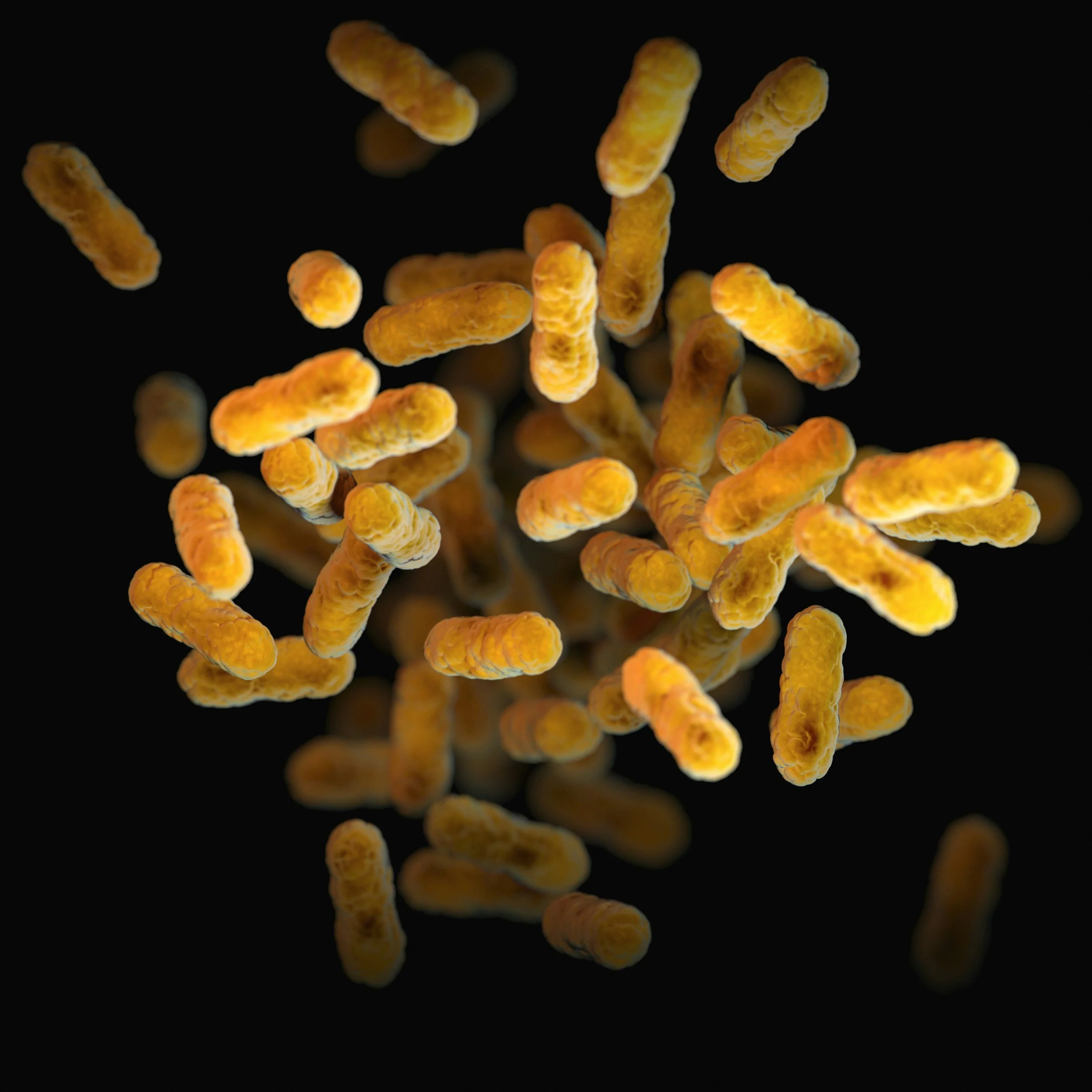
The microbes in the gut don’t just impact gut health, but they interact with other parts of the body, so if there is an unbalanced gut microbiome, it won’t just be the gut that is affected.
You may have heard of the vagus nerve, which is a nerve that travels between the gut and the brain, also known as the gut-brain axis. The vagus nerve can communicate with the brain, and this is why, when the gut is out of balance, you might notice behaviour and mood changes.
The skin has its own microbiome, but it is closely related to the gut microbiome, by communication through neurotransmitters and hormones. If the gut microbiome is in dysbiosis, then the immune system is compromised, and this can lead to skin complaints such as itchy, red, yeasty and dry skin.
The musculoskeletal system is also linked to the gut microbiome; this is called the gut-muscle axis. The microbiome influences the musculoskeletal system through metabolites, and these pay a crucial role in maintaining homeostasis. If the gut microbiome is out of balance, then this has effects on the healing process following an injury and can also be the cause of extra inflammation around the joints.
What are the symptoms of an unhealthy gut microbiome?
Joint issues
arthritis, autoimmune conditions and Inflammation.
Skin issues
especially reoccurring issues, like yeast, this can also be seen as ear infections.
Leaky Gut
A preamble gut lining causes toxins to enter the blood stream and travel to other parts of the body causing inflammation.
It is common for dogs with poor gut health and dysbiosis to suffer with allergies or food intolerances.
Digestive upset
Including diarrhoea and vomiting is common. If there are too many bad bacteria’s and not enough good, there can be a bacteria overgrowth in the small intestine (also known as SIBO)
Irritable bowel Disease
Chronic and untreated inflammation caused by dysbiosis can lead to IBD.
Behavioural changes
With the gut brain axes at play, and less neurotransmitters and hormones being produced the more likely changes in behaviour can be seen.

What affects your dog’s gut microbiomes
· Diet – a highly processed, low moisture food with no variety and no whole food can cause a build-up of bad toxins leading to a dysbiosis.
· Environmental toxins – some are unavoidable but limiting environmental toxins where possible is beneficial.
· Most inflammatory diseases – inflammation reduces gut microbiome diversity.
· Medications – preventative vaccines and medications and the over use of antibiotics will obliterate your dog’s microbiome.
· Genetics – genes will dictate to a certain degree which microbes your dog’s gut is home too and how well a microbiome might respond to an illness.
· The mother microbiome - The puppies pass through the mothers birthing canal, and the mother will lick the puppies when they are born. If the mother has a poor microbiome the puppy will receive the same microbes.
Ways to improve and maintain a healthy gut
1. Fresh food, with a diverse range of proteins, vegetables, fruits, seeds and balanced nutrients. The more variety the more diversity!
2. Avoid the overuse of medications, try and opt for natural preventatives.
3. Help heal the gut with a gut soothing supplement.
4. Look to use more natural cleaning and laundry products around the home, scent free and non-toxic products do exist out there. Avoid scented candles, air fresheners and anything smelly, like hair spray and perfume.
5. Avoid environmental toxins where possible, weed killers, non-filtered water and plastic food and water bowls.
The main thing to remember here is that the dogs body works as one, holistically. If one area is struggling, this means another area may be struggling. If the gut us unhappy then this will have a knock-on effect to other areas of the body, so often when looking for the root cause of problems, start with the gut, this is connected to everything else. And importantly, keep food fresh, diverse and their playground free from toxins, wherever possible.